
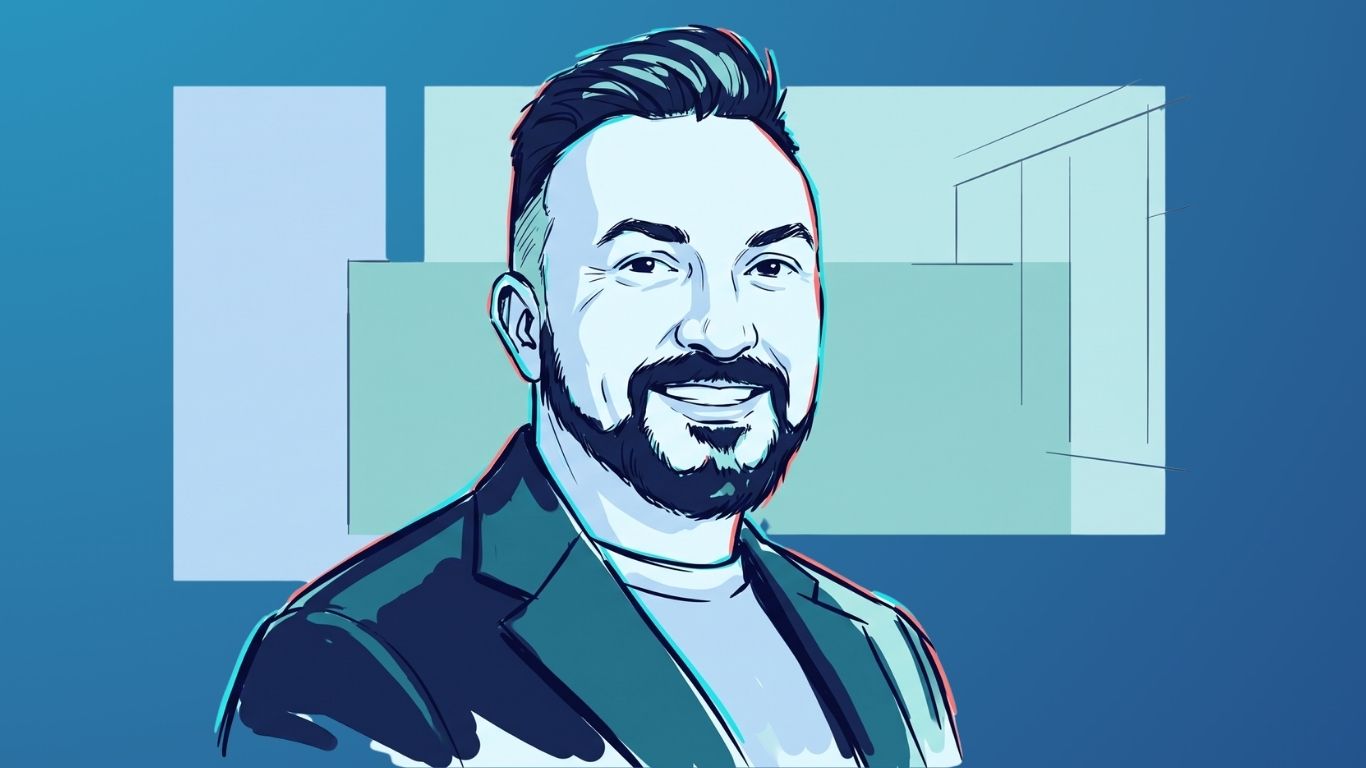
By Michael Woestehoff, CEO
MPS (Navajo)

When you walk into a major metropolitan hospital, the hum of activity can easily mask the cracks in the system. But when you step into a rural clinic—like the ones I work with every day—the silence is telling.
In my work providing managed staffing services for the Indian Health Service (IHS), I have a front-row seat to what a recent report from Axios aptly calls a “patient care quality crisis.” I regularly see the struggle of facilities that are geographically isolated and culturally distinct. When a critical technician or primary care physician retires in these communities, there isn’t a line of applicants wrapping around the block to take their place.
Right now, one in five Americans believes our healthcare system is in a state of crisis. The instinct of many administrators is to simply post more job listings and try to hire faster. But if you look closely at the numbers, and the reality on the ground, it becomes clear: we can’t recruit our way out of a structural deficit.
The Healthcare Misconception: Hiring Faster vs. Real Solutions
The national data paints a stark picture. As detailed in Covista’s Care Capacity Monitor research cited by Axios, employers faced 8.4 million open healthcare jobs over the past year, but there are only about 306,000 unemployed healthcare workers available to fill them. That means for every available job seeker, more than two openings sit completely empty.
You can offer higher salaries and aggressive signing bonuses—and many do, offering up to a 48% pay premium on advertised roles. But traditional recruitment tactics are just moving the same finite pool of professionals around a chessboard. It doesn’t create new talent.
Furthermore, simply putting a warm body in a scrub top doesn’t solve the core issue. As highlighted by the Coeur d’Alene Press, healthcare isn’t an assembly line. When a 30-year veteran nurse retires, you can’t just replace them with a new graduate and expect the same results. New hires take time to recognize complex cases, master technical lab procedures, and build the confidence necessary for time-sensitive decisions.
The Experience Gap in Rural Healthcare
This “experience gap” hits hardest in the communities that can least afford it. Axios notes that in major cities, 45% of healthcare executives cite a lack of local talent as a major barrier. But in rural and less urban settings, that number skyrockets to 85%.
In the IHS facilities we help staff, institutional memory is a matter of life and death. When seasoned professionals leave, they take with them years of specific knowledge about a community, its unique cultural dynamics, and its prevalent chronic conditions. You cannot “tech” your way out of that lost trust and familiarity overnight. Because of these gaps, half of healthcare executives nationwide report having to scale back the care they provide to patients.
Key Data in the Healthcare Crisis
- The Physician Deficit: The US is projected to have a shortage of up to 86,000 physicians by 2036, according to the Association of American Medical Colleges.
- The Demographic Shift: The number of older Americans requiring care will jump from 58 million in 2022 to 82 million by 2050, as reported by U.S. Census Bureau data in HRO Today.
- The Burnout Factor: Long shifts, heavy workloads, and the pressure of high-risk situations are driving early retirements at record rates, exacerbating the experience gap.
Fixing the Healthcare Pipeline: Technology and Educational Models
If hiring faster isn’t the cure, what is? The solution requires a two-pronged approach: optimizing the talent we have and completely rebuilding the pipeline for the talent we need.
First, we have to use technology as a copilot, not a replacement. According to HRO Today, advanced AI platforms are now doing the heavy lifting of auditing credentials, scoring candidate submissions, and navigating complex travel reimbursement policies. By letting “digital workers” handle the administrative friction, staffing teams like mine can focus on the human element. We get to spend our time vetting candidates for the things a computer can’t measure: resilience, compassion, and a genuine desire to serve a community.
Second, we have to fix how we educate our healers. As Steve Beard, CEO of Covista, told Axios, “A system built around a 4.2% acceptance rate was never designed to educate at the scale the country needs.” The legacy model assumes a young student with no external work or family obligations.
We need to empower the non-traditional students—the working parents, the career changers, and the people who live hours away from a traditional campus. As Axios highlights, innovative institutions are stepping up by eliminating application fees, offering flexible evening and weekend options, and creating direct paths to nursing degrees. If we want to solve the rural healthcare shortage, we have to make it possible to grow healthcare workers from the communities they serve, rather than constantly trying to import them from the outside.
The Last Mile of Healthcare: A Mission-Driven Future
Solving the healthcare workforce shortage means inspiring more young people to pursue the field, supporting the mental health of the professionals already on the floor, and removing the barriers that keep passionate people out of the classroom.
Whether we are staffing a massive urban hospital or navigating the “last mile” of healthcare delivery in a remote IHS clinic, the goal is the same. We must move away from a transactional model of simply filling open slots. The future of American medicine depends on redesigning the way we care for the very people who care for us.
Your Career, Our Expertise. Adventure Awaits: Join Ellsworth for rewarding locum tenens and medical staffing opportunities. Expertly Placed: 22 years of combined recruiting expertise at your fingertips. Culturally Competent Staffing: Specialized ISBEE-eligible solutions for healthcare professionals. Your Next Journey Starts Here: Create your free profile and embark on a rewarding career. Sign up now! Create your free profile.