
By Michael Woestehoff, CEO
MPS (Navajo)

Three Native health developments deserve attention this weekend, as workforce, prevention and federal policy keep moving across Indian Country.
October is also Breast Cancer Awareness Month and National Domestic Violence Awareness Month, a good time for Native women to schedule screenings and for communities to support Our Relatives who need safe, culturally competent care.
Rural Residency Funding Builds a Local Physician Pipeline
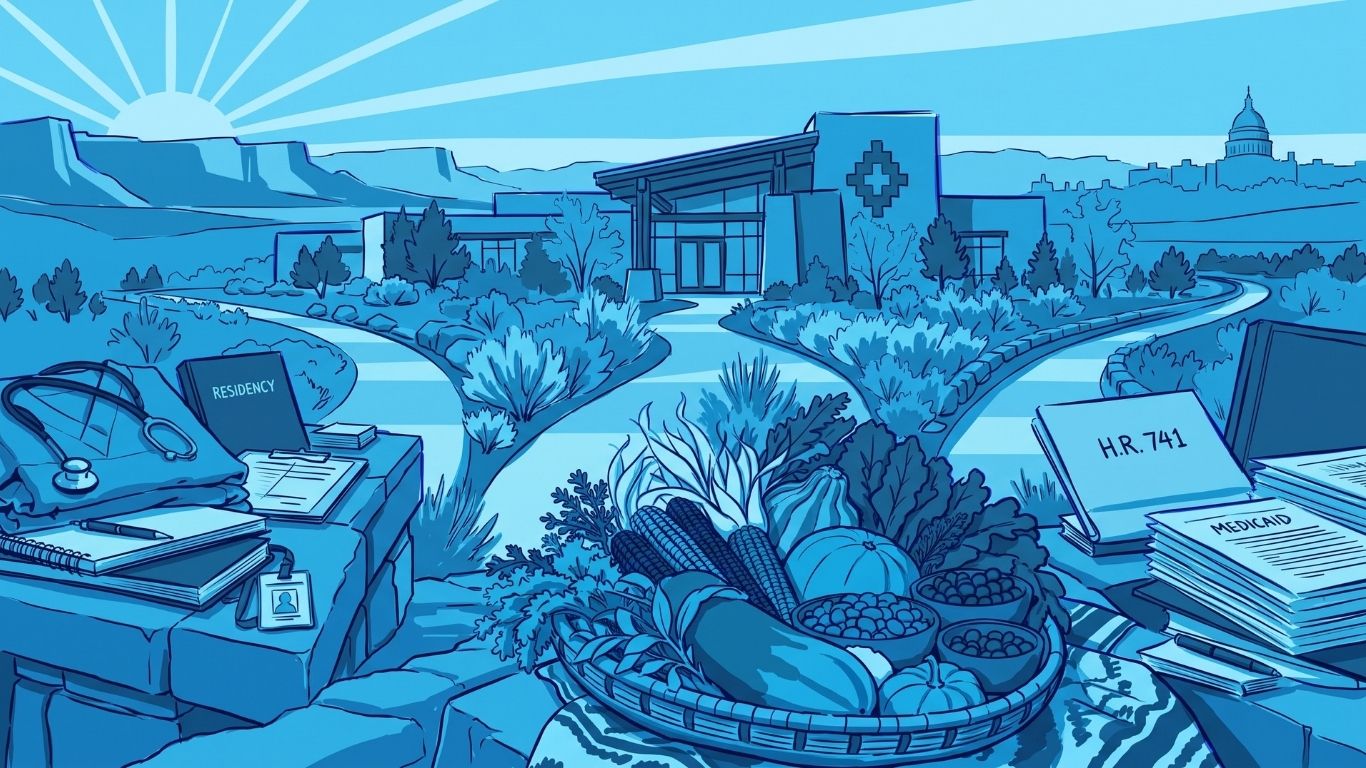
HHS and HRSA announced $11.2 million on September 4 to launch 15 physician residency programs across 14 states, according to the HHS announcement. The programs cover family medicine, internal medicine, psychiatry, preventive medicine and general surgery. Since 2019, HRSA has put nearly $77 million into this effort. The result is 66 accredited rural residency programs, 818 approved positions and more than 850 residents in training as of July 2026.
Training clinicians closer to rural and Tribal communities can strengthen recruitment and support culturally competent care. It also creates openings for Native practitioners to serve Native populations.
Food Is Moving Further Into Native Clinical Care
On September 22, the Indian Health Service awarded $3.5 million to 14 Tribal and urban Indian communities for Phase 2 of its Produce Prescription Pilot Program. The initiative links clinical care with fruits, vegetables and traditional foods to address food insecurity and chronic disease.
Programs can build culture awareness into prevention while helping elders, families and Our Relatives reach food that supports their health. Nutrition becomes part of care, and that is an Indigenous health model worth celebrating!
Federal Policy Could Change Native Health Access
Federal policy matters too. On September 15, the House unanimously passed the bipartisan Stronger Engagement for Indian Health Needs Act, H.R. 741, introduced by Reps. Greg Stanton and David Joyce.
It would elevate the IHS Director to Assistant Secretary for Indian Health within HHS, but the Senate still has to act. American Indian, Alaska Native and other IHS-eligible Medicaid beneficiaries are exempt from the new federal community-engagement requirements.
NCUIH has urged states to build clear processes so eligible Native patients are not lost to administrative errors.
As a Native owned small business and ISBEE, Ellsworth will keep supporting Indian Country with qualified clinicians, culturally competent staffing and practical solutions that strengthen care for Native communities.
Your Career, Our Expertise. Adventure Awaits: Join Ellsworth for rewarding locum tenens and medical staffing opportunities. Expertly Placed: 22 years of combined recruiting expertise at your fingertips. Culturally Competent Staffing: Specialized ISBEE-eligible solutions for healthcare professionals. Your Next Journey Starts Here: Create your free profile and embark on a rewarding career. Sign up now! Create your free profile.