
By Michael Woestehoff, CEO
MPS (Navajo)

Asking one question during a routine visit can change everything about a patient’s care.
A History That Still Shapes Trust in Indian Country
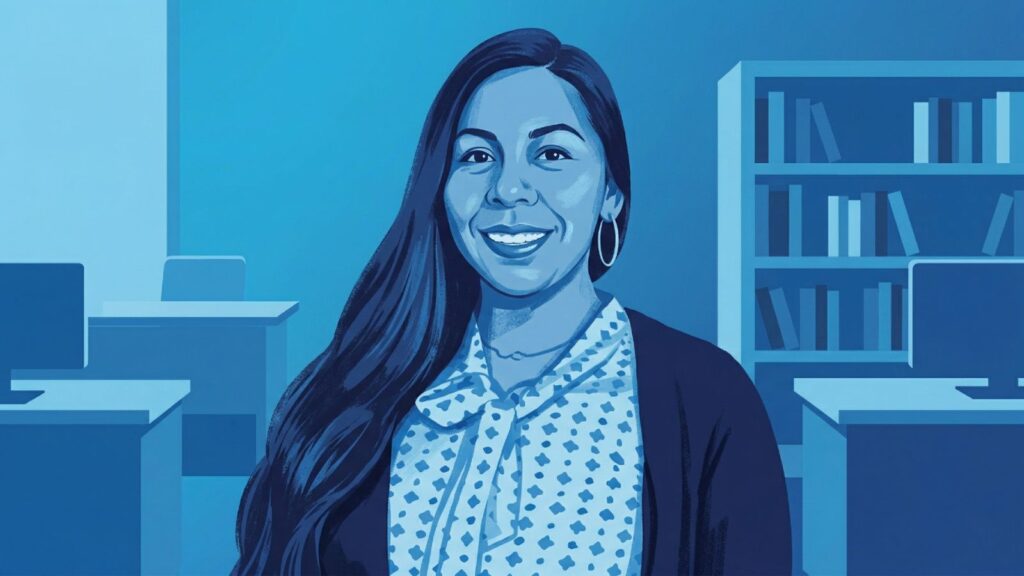
On April 8, 2026, Courtney Whiteman, MPH, Certified Personal Trainer, and proud member of the Kiowa Tribe and Muscogee (Creek) Nation, took the stage at the Southern Plains Tribal Health Board’s Tribal Public Health Conference (TPHC) 2026. She presented as the first-ever Cultural Advisor in Oklahoma City Indian Clinic’s (OKCIC) 51-year history. Her session detailed how one urban Indian health facility is actively bridging traditional healing and Western medicine. The stakes are generational.
The 1978 American Indian Religious Freedom Act restored legal protections for traditional practices, yet communities across Indian Country still carry deep mistrust toward clinical systems that once criminalized those same practices. That history lives in every exam room — and Whiteman is exactly the kind of leader built to change it. In 2025, she brought that same cultural pride to the Oklahoma City Thunder’s Native American Heritage Night, performing a Fancy Shawl dance at halftime that stopped the arena cold.
The Gap Between Training and Behavior Change
OKCIC established itself in 1974 as a unique 501(c)(3) nonprofit corporation and contracted provider of the Indian Health Service. Today it serves members of all 39 Oklahoma tribes with a 500-person staff — approximately 50% non-Native. Before Whiteman stepped into her role in January 2025, no standardized process existed for capturing cultural or traditional practice needs at the point of care.
Our Relatives were unlikely to share information their care teams never thought to ask for. That gap produced incomplete clinical pictures, inconsistent treatment engagement, and widening health disparities. Training raised awareness, but as Whiteman stated plainly, awareness alone does not produce behavior change.
A Standardized Clinical Workflow, Built From 35 Tribal Voices
Whiteman consulted representatives from 35 of Oklahoma’s 39 federally recognized tribes before designing her solution. By August 2025, OKCIC’s IT department had embedded two cultural intake questions — one yes/no, one open-ended — directly into the electronic health record. Nurses now ask these questions at every adult primary care visit alongside routine vitals.
Monthly dashboard reporting tracks documentation rates by nursing team, creating real accountability at the system level. Whiteman holds exclusive access to those dashboards. All patient data is fully secured and confidential, protected under HIPAA, ensuring Our Relatives can share with confidence. Since launch, patient disclosures have nearly doubled. That is culturally competent care made measurable!
Ellsworth Stands With Facilities Ready to Lead
Ellsworth is a 100% Navajo-owned, ISBEE-certified Native owned small business. We staff culturally competent providers across IHS and tribal health programs nationwide. We place Native practitioners who understand that for Our Relatives, traditional and spiritual practices are not separate from health — they are central to it. If your facility is ready to build a care team that asks the right questions, connect with Ellsworth today.
Your Career, Our Expertise. Adventure Awaits: Join Ellsworth for rewarding locum tenens and medical staffing opportunities. Expertly Placed: 22 years of combined recruiting expertise at your fingertips. Culturally Competent Staffing: Specialized ISBEE-eligible solutions for healthcare professionals. Your Next Journey Starts Here: Create your free profile and embark on a rewarding career. Sign up now! Create your free profile.